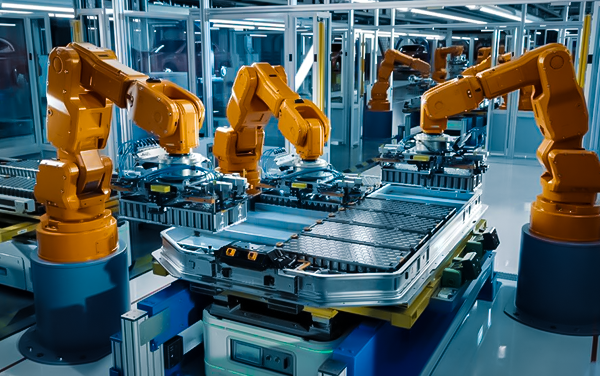
At SK International, based in Wixom, Michigan we believe automation isn’t just about machines, it’s about momentum. Michigan’s legacy as a manufacturing powerhouse makes it the perfect place to drive innovation, and more businesses are turning to industrial automation to improve product quality and reduce long-term costs. But we have to ask the question: When does industrial automation actually pay off? It’s a fair concern and one that we help our clients answer every day.
What Goes into Automation ROI?
Upfront costs typically include equipment, installation, system integration, and employee training. These costs can vary widely depending on the complexity of the solution.
That’s where SK International brings unique value. Because we handle all aspects of automation in-house, from design and manufacturing to implementation and training, we simplify the process and help manage costs. This approach reduces friction, keeps timelines tight, and gives our customers a clearer picture of their potential return.
Long-Term Gains: Efficiency, Quality, and Flexibility
Once in place, automation begins delivering value through labor savings, increased efficiency, and higher-quality output. By automating repetitive tasks, companies can reduce reliance on manual labor and free up skilled workers for more strategic roles. Automated systems don’t take breaks, make fewer mistakes, and can run 24/7 with minimal downtime. This means higher output and better consistency, which leads to less waste and fewer defects.
And just as important: automation gives your business flexibility. At SK, we design systems to be modular and scalable. That way, when your needs grow, your automation can grow with you, whether it’s integrating new equipment, adapting to different product lines, or preparing for AI or AMR compatibility.
How Soon Does Automation Pay Off?
According to AIC Automation, ROI timelines fall into three general categories:
-
Short-Term ROI (6–24 months): Simple upgrades; robotic arms or quality inspection tools, often pay for themselves quickly. These are great for companies just beginning to automate.
-
Mid-Term ROI (2–5 years): More complex systems, such as multi-step assembly processes, may take longer to pay off but provide substantial long-term savings.
-
Long-Term ROI (5+ years): Full smart factory implementations or AI-powered logistics systems represent larger investments, but they position companies for exponential growth and operational leadership.
Companies like Rockwell Automation and Fanuc America have demonstrated how automation drives multi-billion-dollar revenues, and how even mid-sized manufacturers can benefit from similar strategies on a smaller scale.
So, Is Automation Worth It?
When implemented strategically, the answer is a big yes. Automation helps businesses improve productivity, reduce costs, and gain a competitive edge, especially in fast-moving markets.
But automation isn’t just about installing new machines. It’s about aligning technology with your team, your processes, and your long-term goals. And that’s exactly what we do at SK International. Whether you’re exploring automation for the first time or looking to scale your capabilities, we’re here to help you navigate the path.